Trauma = Sex Appeal (?)
A Non-Scientific Study
This is not a scientific paper, but it might as well be.
If you spend enough time watching films and developing slightly concerning crushes on fictional characters, a pattern starts to emerge. The people we find irresistible are rarely the emotionally well-adjusted ones. They’re brooding. Closed off. Slightly haunted. Possibly in need of therapy? And yet, somehow, this only seems to make them hotter. Which raises the question: does trauma equal sex appeal?
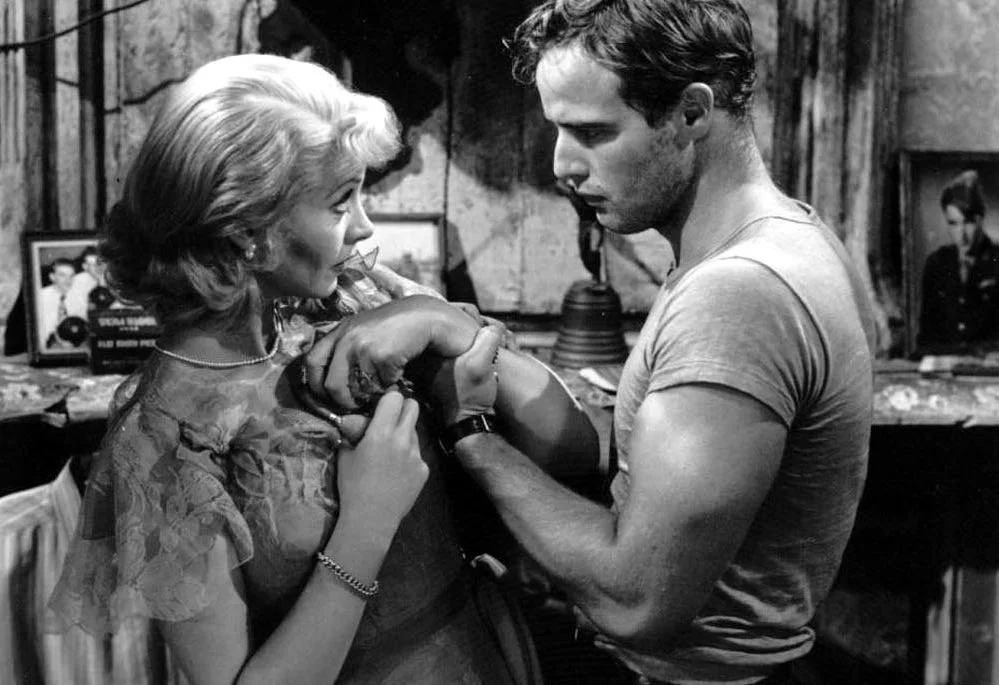
Why is it that being closed off with a hint at being vaguely damaged makes me want to jump your bones the second we’re out of sight?
Why is it that after you’ve had a stressful call, I want to comfort you in the form of an orgasm? (And while we’re at it, I’ll take one too.)
Is it the intimacy of it? The fact that maybe you don’t usually open up like this? That I get to see the unguarded version of you, the one with the tight jaw and the tired eyes (swoon). Does that make me special?
Maybe sex is just emotional regulation but with a much better marketing team. I guess the dopamine hit following an orgasm doesn’t hurt…The intricacies of sex are as complicated as the intricacies of insecurity - both often shaped by trauma. It’s the stuff that makes someone interesting. It’s also the stuff that can make someone wildly dysfunctional.

Maybe what’s happening is simpler than it sounds. Maybe it’s just one dysfunctional person recognising another, just in a new way. Damaged, yes, but slightly differently. Familiar enough to feel safe. Different enough to feel exciting.
Is it because we’re both just trying to feel good? To find the thing that steadies us, distracts us, and also keeps us interesting? When did “boring” become synonymous with “stable”? Maybe because chaos feels exciting and stability feels the opposite.

Being hyper-sexual can be a kind of sleight of hand. If you’re focused on my tits, you’re not going to look too closely at the things I don’t want you to see. Seduction as misdirection. Sex appeal as the world’s most effective smoke machine. But if you’re a fellow fucked up person, you’ll see both and maybe that’s the real turn on. We’ll tumble into your bed, unmade since you moved in, navy-blue sheets and no headboard…
Let’s not give ourselves too much credit here, we didn’t invent this dynamic. It’s in the media we consumed.
The aestheticisation of sadness (thank you to the Tumblr era).
The soft grunge glamour of melancholy (thank you to Lana Del Rey).
The idea that being haunted makes you magnetic (thank you to Tate Langdon from American Horror Story).
Honourable mentions in the Damaged and Desirable Hall of Fame:
James Dean from Rebel Without a Cause
Clementine from Eternal Sunshine on the Spotless Mind
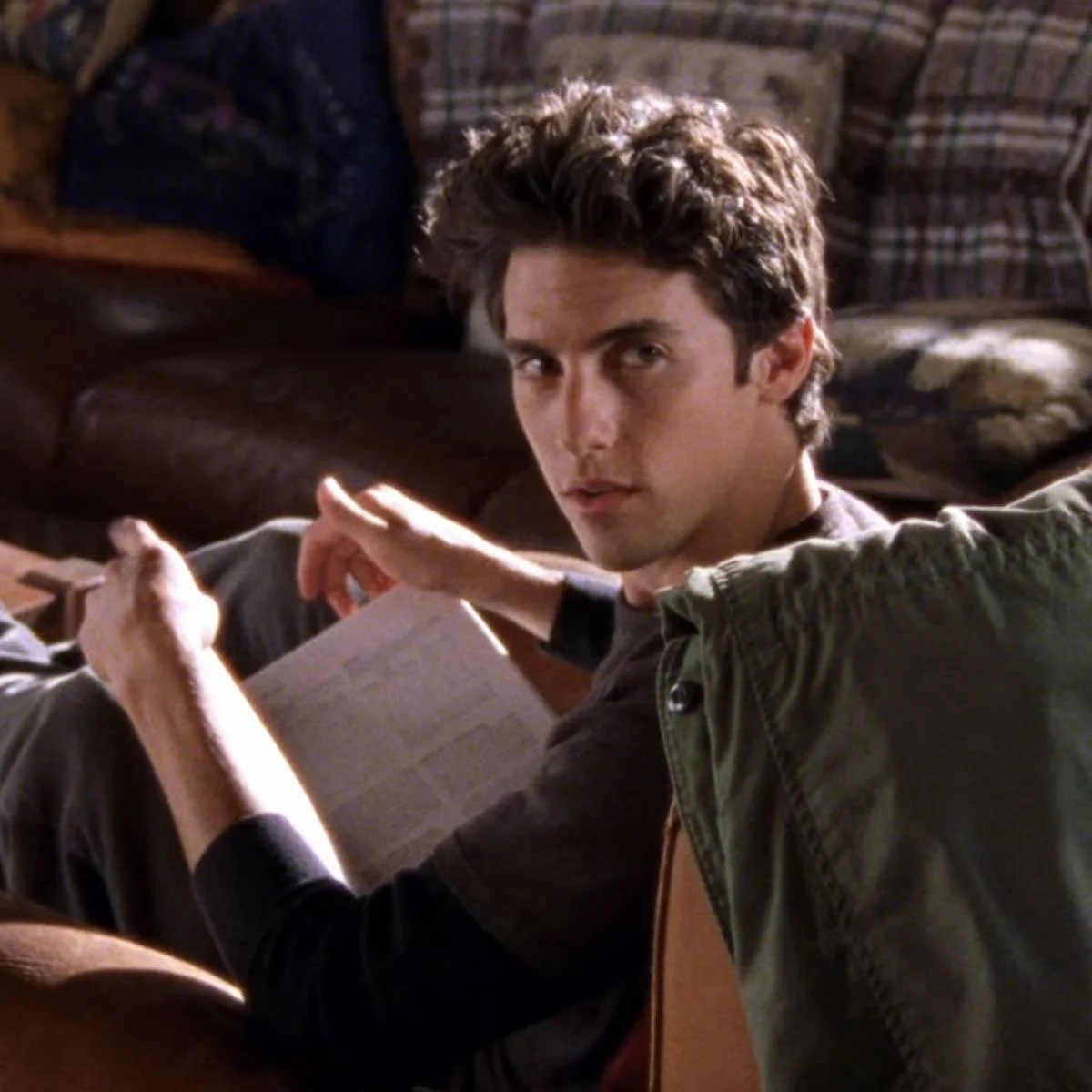
Jess from Gilmore Girls
Villanelle from Killing Eve
Bender from The Breakfast Club
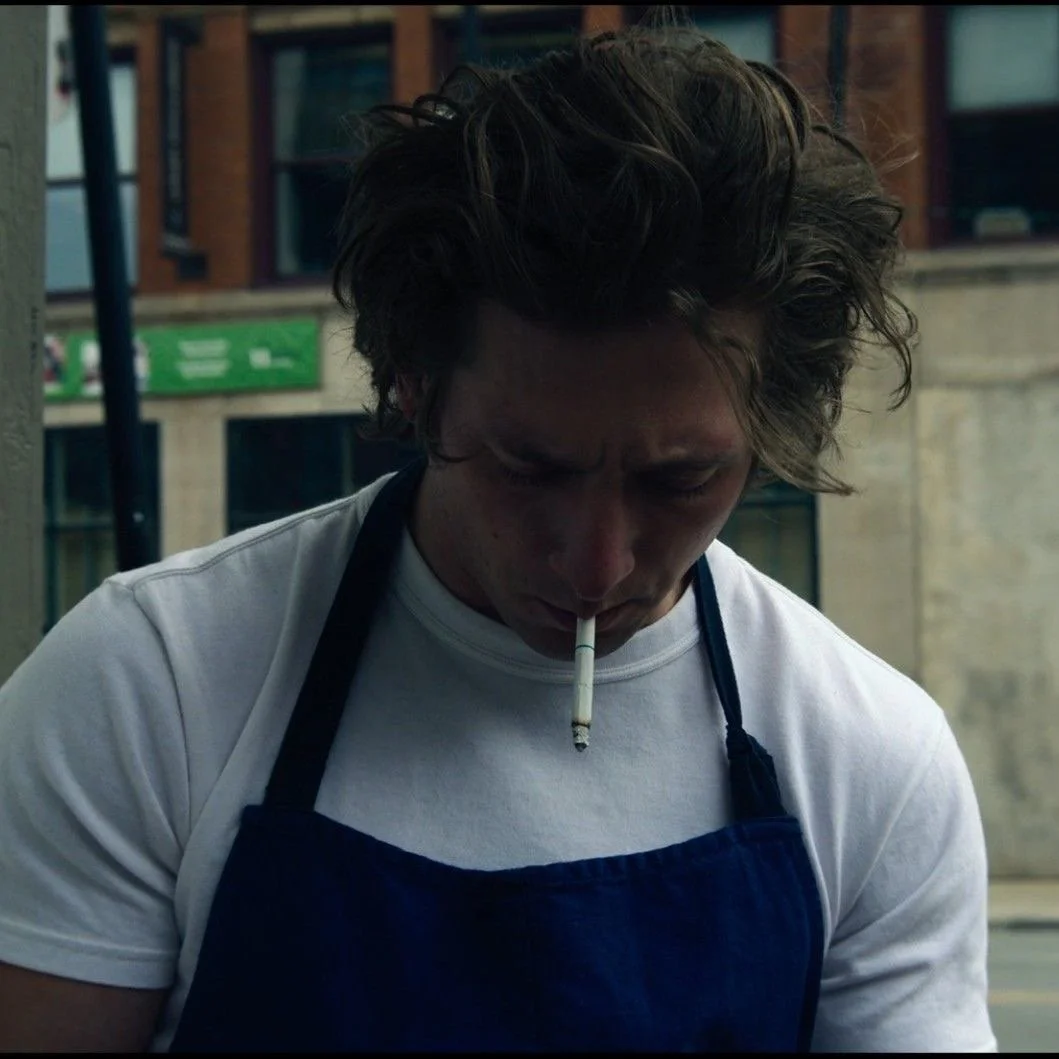
Carmy from The Bear
Faith from Buffy the Vampire Slayer
Dr House from House
Penelope Cruz (and Javier Bardem) from Vicky Cristina Barcelona
Shane from The L Word
Spike from Buffy the Vampire Slayer
Angelina Jolie from Girl, Interrupted
Ilya Rosanov from Heated Rivalry
Cillian Murphy from Peaky Blinders
The Phantom from The Phantom of the Opera
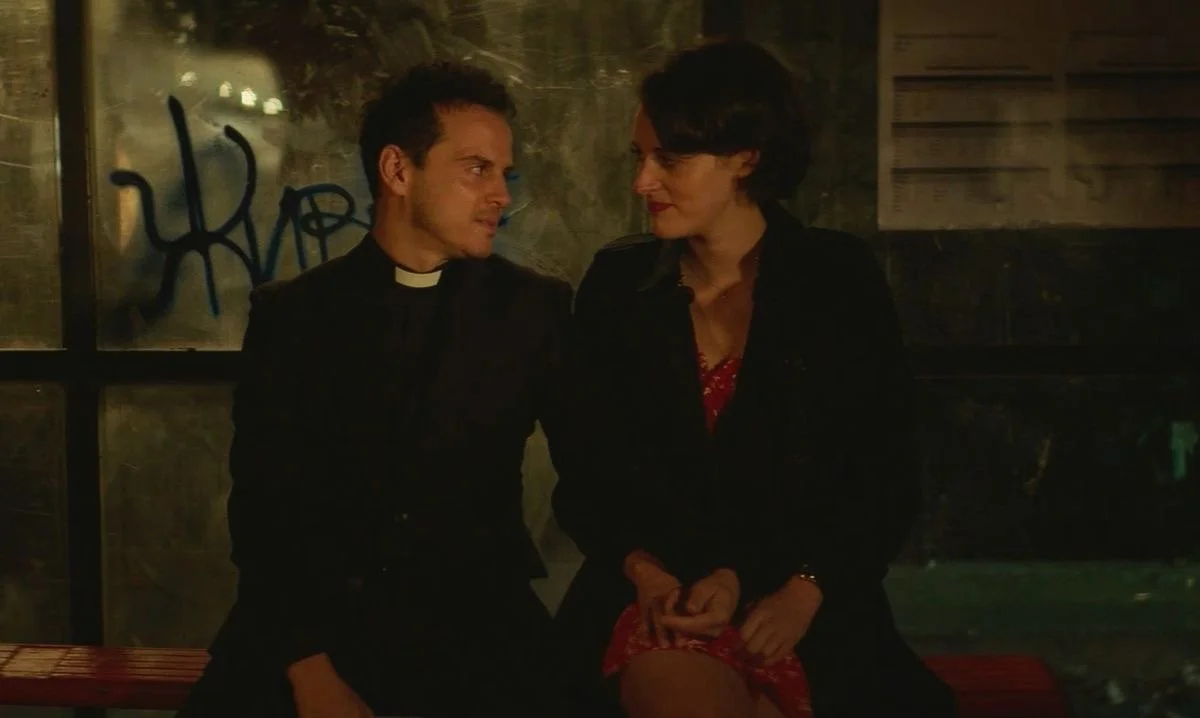
Hot Priest from Fleabag
This list was twice as long in the first draft. Which feels telling. But even with a shortened list, it’s clear that two main characters emerge:
Exhibit A: the brooding man with a cigarette.
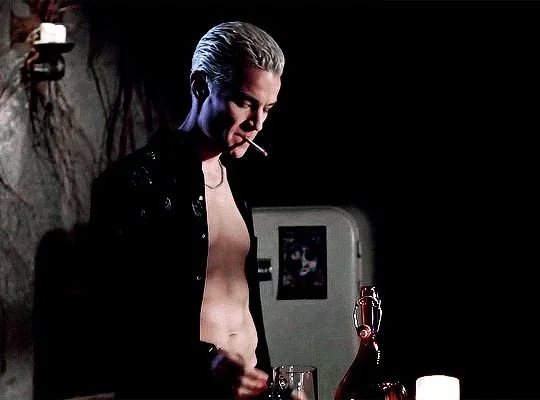
He’s damaged. He wants you. He doesn’t. He does. He punches a wall. He folds in your arms. He’s never opened up like this before. You are the only one who understands him. He loves you. He hates you. You love him. You hate him.
Why is he so attractive? Maybe it’s exclusivity. The idea that you are the chosen one. The only person who gets to see the tenderness underneath the rage. Afterall, vulnerability is the ultimate aphrodisiac.
Exhibit B: the woman who hasn’t processed a single emotion since 2012 but owns incredible boots.

She moves fast. Falls in love on Friday, moves into your apartment on Sunday. Makes you coffee in bed. Disappears on Tuesday. Returns on Thursday, somehow more enveloping in her love and affection than before. You have the best sex of your life. Then she vanishes again.
Why can’t you get her out of your head? She’s giving you such highs, the lows feel like withdrawal. When she’s there, she’s your entire world. When she leaves, it’s a comedown. You’re not in love. You’re chemically attached.

Maybe it’s the extremes, the intense emotions we are left with. Or maybe trauma isn’t sexy at all. Maybe recognition is. Finding someone else who shares the same pain we do.
Conclusion: we need therapy, not sex. But also, maybe both?
Two traumatised people are rarely each other’s cure. If anything, the opposite. But the answer isn’t to remove sex from the equation. A satisfying sex life and an emotionally stable headspace are not opposites. They can (in theory) coexist peacefully.
Maybe, just maybe, the real fantasy is not the swoonworthy disaster - it’s someone who has done the work.
Which, annoyingly, is much less cinematic…and significantly harder to romanticise.